
Nutrition is important because the food you eat gives your body the energy, building blocks, and protection it needs every day. Good nutrition supports your energy, immune system, muscles, bones, and digestion. Over time, it also lowers your risk of conditions like heart disease and type 2 diabetes.
At Mile High Fitness & Wellness, our dietitians, nutrition coaches, and chefs help people turn that knowledge into daily habits. This guide covers what nutrition does, what your body needs, and simple steps to eat better.
What Nutrition Does for Your Body
Nutrition fuels everything your body does. Food supplies the calories your cells burn for energy, the protein your body uses to repair tissue, and the vitamins and minerals that keep your systems running.
The CDC describes a long list of benefits from healthy eating for adults. Healthy eating may help you:
- Live longer
- Keep your skin, teeth, and eyes healthy
- Build and maintain muscle
- Strengthen your immune system
- Keep your bones strong
- Lower your risk of heart disease, type 2 diabetes, and some cancers
- Support a healthy pregnancy and breastfeeding
- Keep your digestive system working well
- Reach and keep a healthy weight
You do not feel most of these benefits overnight. They build up meal by meal, which is why small daily choices count.

The Six Nutrients Your Body Needs
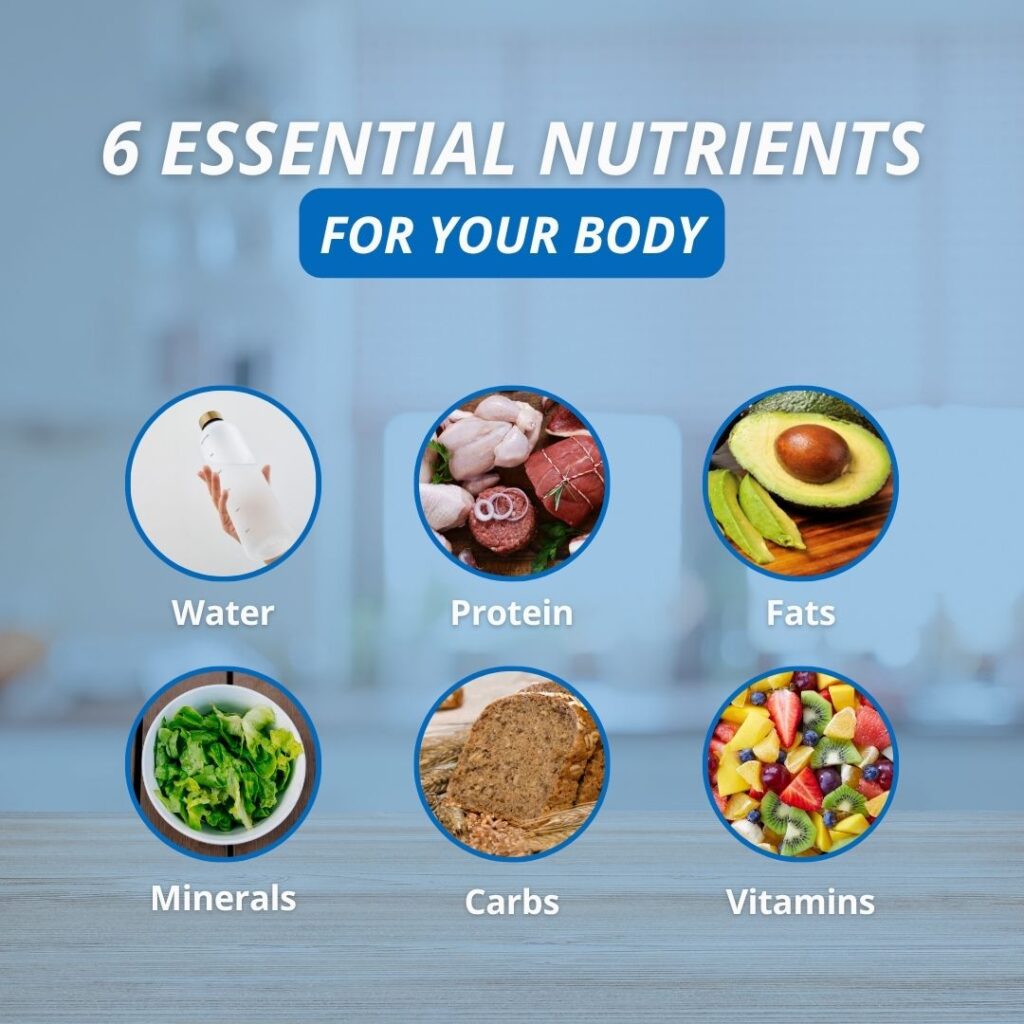
Your body needs six types of nutrients: carbohydrates, protein, fats, vitamins, minerals, and water. Each one has a different job, and none can fully replace another.
| Nutrient | What it does | Where to find it |
| Carbohydrates | Main fuel for your brain and muscles | Whole grains, fruit, beans, vegetables |
| Protein | Builds and repairs muscle, skin, and other tissue | Fish, eggs, beans, poultry, tofu |
| Fats | Store energy, protect organs, help absorb some vitamins | Olive oil, nuts, avocado, fatty fish |
| Vitamins | Support immunity, vision, bones, and how you use energy | Fruits, vegetables, dairy, whole grains |
| Minerals | Build bones and teeth, help control heartbeat and fluid balance | Dairy, leafy greens, beans, nuts |
| Water | Carries nutrients, controls temperature, supports digestion | Water, milk, fruits, vegetables |
Fiber deserves a mention too. It comes from plant foods, helps digestion, and keeps you full longer.
How Nutrition Shapes Your Energy Every Day
What you eat sets your energy for the day. Meals with protein, fiber, and healthy fats digest slowly and keep your energy steady. Meals made mostly of sugar and refined starch can give a quick lift followed by a crash.
Skipping meals often leads to grabbing whatever is fast later. Many people notice they feel more focused and even-tempered when they eat regular, balanced meals and drink enough water. Planning ahead makes this easier. Our easy meal prep ideas can help you build a routine that fits a busy week.
Nutrition and Your Long-Term Health
Healthy eating patterns are linked to a longer life and a lower risk of serious health problems. The CDC reports that adults who eat well are at lower risk for heart disease, type 2 diabetes, and obesity. For people who already live with a chronic condition, healthy eating can help manage it and prevent complications.
Your bones are part of this story too. Calcium, vitamin D, and protein help keep them strong as you age. The same goes for your muscles, which need protein and regular movement. Good nutrition does not replace medical care, but it gives your body a stronger base to work from.
Nutrition at Every Life Stage
Your nutrition needs change as you grow and age, but the goal stays the same: give your body what it needs to work well. The CDC calls good nutrition essential across the whole lifespan.
Children and Teens
Kids use food to grow, learn, and build strong bones. Foods rich in calcium, iron, and protein support that growth. Habits formed early often last, so family meals, colorful plates, and kid-friendly cooking all help. Many people fall short here: the CDC notes that fewer than 1 in 10 children and adults eat the recommended amount of vegetables.
Adults
Adults juggle work, family, and stress, which makes nutrition easy to push aside. Regular meals, planned snacks, and a few go-to recipes keep you from relying on takeout. Our dietitian-recommended snack ideas are a good place to start.
Older Adults
As we age, muscle and bone health need extra attention. Many older adults benefit from checking in on protein, calcium, and vitamin D intake. Appetite can change too, so smaller, nutrient-rich meals often work well. Ask your provider what is right for you.
Nutrition at Work: What Employers Can Do
Employees spend much of their day at work, so the workplace shapes what they eat. CDC prevention efforts focus on making healthier, affordable food easier to find in places like schools and worksites.
Employers can make the healthy choice the easy choice with small changes:
- Stock vending machines and break rooms with fruit, nuts, yogurt, and water
- Host cooking demos so people learn quick, healthy recipes
- Add a healthy snack table to company events
- Offer nutrition talks from a registered dietitian
- Use an “add, don’t subtract” approach: promote the good options first instead of banning treats
Mile High Fitness & Wellness brings cooking demos, nutrition education, and dietitian-led sessions to workplaces, both onsite and online. See our corporate wellness programs to learn more.
How to Improve Your Nutrition: 7 Simple Steps
The 2025 to 2030 Dietary Guidelines for Americans point to a simple pattern: more whole foods and less highly processed food. Use these steps to put that into practice.
- Build meals around whole foods. Think vegetables, fruit, beans, whole grains, nuts, eggs, fish, and lean meats.
- Add vegetables and fruit to every meal. The guidelines suggest about 3 servings of vegetables and 2 of fruit a day on a 2,000-calorie plan.
- Choose whole grains most of the time. Swap white bread or rice for whole-grain versions.
- Mix up your protein. Rotate beans, nuts, seafood, eggs, poultry, and lean meats.
- Cut back on ultra-processed foods, added sugar, and sodium. The guidelines advise keeping added sugars under 10 percent of daily calories and sodium under 2,300 mg a day.
- Make water your main drink. Save sweet drinks for treats.
- Change one habit at a time. Pick a single swap this week, then build from there.
These numbers are general targets. Your needs depend on age, activity level, and health, so check with your provider about personal goals. For a step-by-step look at simple food swaps, read our clean eating blueprint.
Common Nutrition Mistakes to Avoid
A few habits trip people up again and again:
- All-or-nothing thinking. One off-plan meal does not undo your progress. Get back to your routine at the next meal.
- Skipping meals. It often leads to overeating later in the day.
- Leaning on supplements. Supplements can fill gaps, but they do not replace food. Talk to a provider before you start one.
- Copying someone else’s plan. What works for a friend may not fit your body, schedule, or health needs.
- Forgetting water. Thirst can feel like hunger, and dehydration can leave you tired.
If sweet cravings are your biggest hurdle, our post on why you crave something sweet after a meal offers practical help.
Related Questions to Explore
- What are the benefits of good nutrition? Good nutrition gives you steady energy, supports your immune system, and keeps your muscles, bones, and digestive system healthy. Over time, it also lowers your risk of heart disease, type 2 diabetes, and obesity. See the full list in the section above.
- What happens if you do not get enough nutrients? You may feel tired, get sick more often, or heal slowly. Specific gaps cause specific problems, such as low iron leading to fatigue or low vitamin D affecting bone health. If you suspect a gap, ask a provider for testing instead of guessing.
- Why is nutrition important for kids? Kids need nutrients to grow, build strong bones, and support brain development. Calcium, iron, and protein play big roles. Healthy habits formed in childhood often carry into adult life.
- Is nutrition more important than exercise? Both matter, and they work together. Food supplies fuel and building blocks, and exercise builds strength and heart health. Neither one can replace the other. Our nutrition support and personal training teams often work together for this reason.
- What are the six essential nutrients? The six essential nutrients are carbohydrates, protein, fats, vitamins, minerals, and water. Your body needs all six to work well. See the table above for what each one does and where to find it.
- How does nutrition affect mental health? Food does not replace mental health care, but regular, balanced meals help keep your energy and focus steady, which can make daily stress easier to handle. If you are struggling with your mood, talk to a health professional.
When to Call a Professional
You can improve your nutrition on your own with small steps. Call a professional when your needs are more complex. A registered dietitian can help if you:
- Have a condition such as diabetes, high blood pressure, high cholesterol, or kidney disease
- Have food allergies or intolerances
- Are pregnant or planning a pregnancy
- Notice weight changes you cannot explain
- Feel stuck after trying on your own
If food feels stressful, or you have a history of disordered eating, work with a professional who can support you safely.
Mile High Fitness & Wellness offers registered dietitian nutrition coaching, virtual or at your location. Our nutrition support team creates plans that fit your life, your goals, and your health needs.
Conclusion
Nutrition gives your body fuel, repair materials, and long-term protection, and small daily choices add up.
- Eat mostly whole foods, with plenty of vegetables, fruit, and whole grains.
- Cut back on ultra-processed foods, added sugar, and sodium.
- Change one habit at a time, and ask a dietitian when you need extra support.
Ready for a plan that fits your life? Explore nutrition coaching with Mile High Fitness & Wellness or contact us to get started.