Getting back into movement after having a baby can feel overwhelming. Your schedule is different, your body feels different, and finding time for yourself is harder than ever. A simple postpartum exercise program gives you a safe, steady, and realistic way to regain strength without long workouts or strict routines. Even a few minutes of movement can support recovery, boost energy, and help you feel more confident as you move through your day.
This guide breaks down what postpartum exercise should look like, how to start safely, and a simple routine you can follow at home.
What This Simple Postpartum Exercise Program Is Designed to Do
This program is created with busy moms in mind. It focuses on rebuilding the core, supporting the pelvic floor, and helping your body feel stronger during daily tasks.
The goal is not to return to your pre pregnancy strength right away or aim for quick changes. Instead, it supports comfort, mobility, and strength in everyday life.
After pregnancy and birth, many moms experience:
- Weaker core muscles
- Lower back discomfort
- Pelvic floor changes
- Reduced stability
- More fatigue during simple tasks
This program helps restore these areas so lifting your baby, carrying the car seat, and getting through daily chores feel easier. The exercises are gentle, low impact, and easy to repeat, which makes them a good fit for unpredictable schedules.
When You Can Safely Start a Postpartum Exercise Program
Every mom heals at a different pace, so there is no single timeline for starting postpartum exercise. Most women begin gentle movement after getting approval from their doctor or midwife, which often happens around 4 to 6 weeks.
Some may start light walking or breathing work earlier if cleared, while others, especially after a cesarean birth, may need more time.
Research shows that gentle postpartum exercise can reduce fatigue by up to 20% and improve mood, which makes early movement helpful when energy is low.
The key is to move at a pace that feels comfortable. Stop if you feel pain, switch to a simpler movement if you notice belly or pelvic floor pressure, and slow down if your breathing becomes strained.
Your recovery should guide your routine. Begin slowly, pay attention to how your body responds, and increase activity only when you feel ready.
Why Postpartum Strength Training Helps Daily Mom Life
Many new moms focus on walking or stretching, but strength training plays a big role in postpartum recovery. During pregnancy, abdominal muscles stretch and posture changes. Strength exercises help retrain the muscles you use every day.
Strength training supports:
- Better posture during feeding, rocking, and holding your baby
- More stability when lifting, bending, or getting up from the floor
- Less strain on shoulders and hips
- Improved energy since strong muscles work more efficiently
You do not need weights to begin. Bodyweight movements are enough to rebuild your foundation.
How This Program Helps Busy Moms Build Strength Without Overwhelm
Many moms feel intimidated by programs that require long workouts. This routine focuses on short sessions that still provide noticeable results.
This program helps you by offering:
- Simple movements that are easy to learn
- Short routines you can do during nap time
- Low impact exercises that protect your joints
- Gradual progression based on your comfort
You do not need an hour to make progress. A few minutes a day helps you build strength without creating stress or pressure.
To keep things manageable, you can break the routine into small segments throughout the day. Slow progress is still progress.
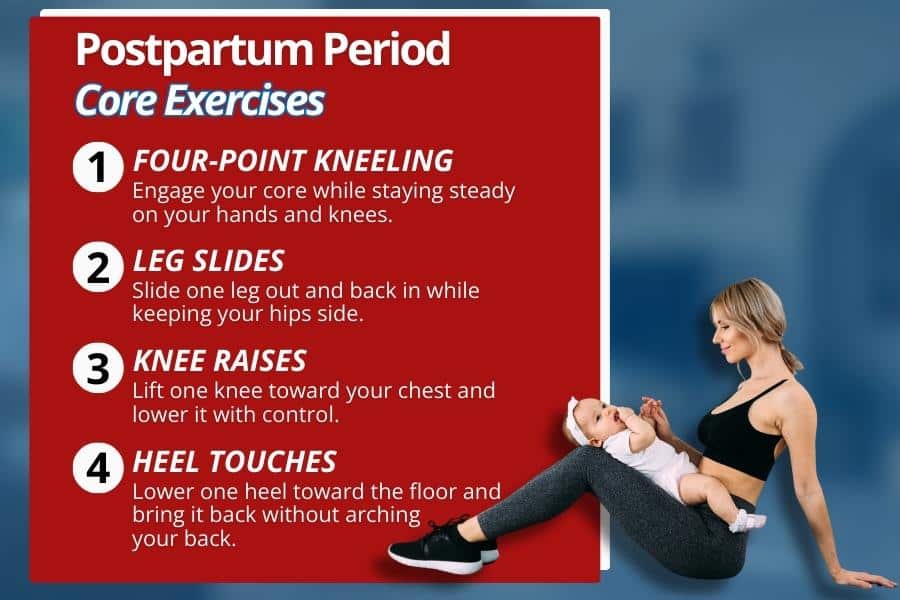
Core and Pelvic Floor First: Simple Movements to Restore Stability
Your core and pelvic floor act as your body’s center of support. These muscles go through major changes during pregnancy and birth. Starting with gentle activation is essential before moving on to harder exercises.
Here is how each movement supports your recovery:
Diaphragmatic breathing
Helps reconnect the deep core and lowers pressure during movement. It also supports relaxation and better breathing.
Pelvic tilts
Loosens tight lower back muscles and activates the deep abdominal muscles.
Heel slides
Strengthens the core in a safe, controlled way.
Glute bridges
Builds strength in your hips and glutes, which support your lower back and help stabilize the pelvis.
These movements should feel slow and steady. You should never feel sharp pain or bulging in the center of your abdomen. If you do, stop and try a gentler option.
(Internal link opportunity: connect to functional movement or injury prevention content.)
A Simple Postpartum Exercise Program You Can Follow at Home
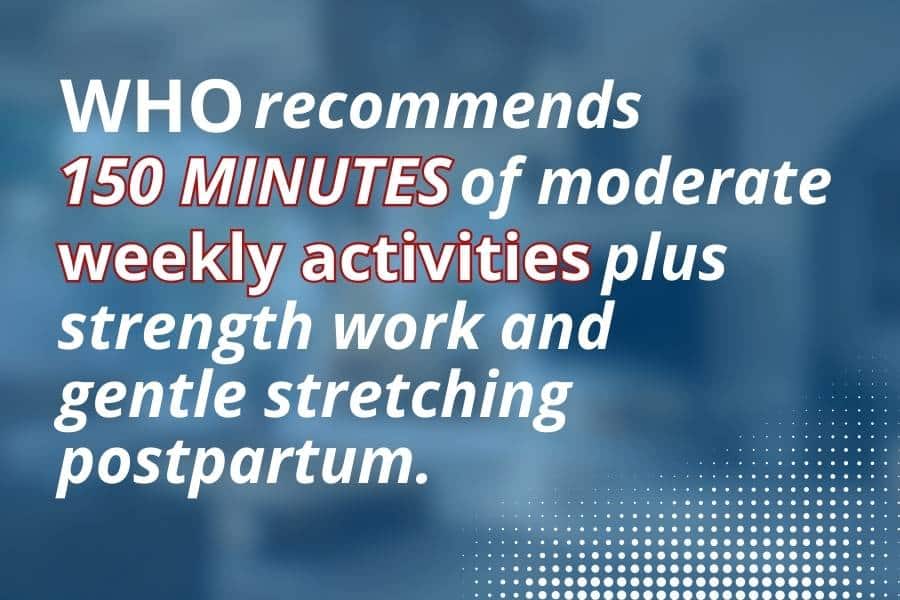
This routine takes 10 to 15 minutes and can be done three to five times per week. Adjust the pace based on how you feel each day.
Warm Up (2 to 3 minutes)
Use small, controlled movements to loosen stiff muscles. Torso twists, shoulder rolls, hip circles, and slow breathing prepare your body for movement.
Core and Pelvic Floor (5 minutes)
Move slowly and focus on breathing. Choose movements that reconnect your core without strain.
Low Impact Strength (5 minutes)
Use bodyweight exercises such as squats, wall push ups, and hip hinges. These movements support daily tasks like lifting, bending, and carrying your baby.
Cooldown (1 to 2 minutes)
End with easy stretching and relaxed breathing. This helps your core settle and lowers tension.
This routine supports recovery and strength in a simple, realistic way.
How to Adjust This Postpartum Exercise Program as You Get Stronger
As you stay consistent, your body will feel more stable. This is a sign that you can begin adding small challenges.
You can progress by:
- Slowing down movements to increase control
- Adding one extra set
- Using light resistance bands
- Extending each exercise for a few more seconds
Pay attention to signs from your body. If you notice pressure in your abdomen, difficulty breathing, or heaviness in your pelvic floor, switch back to gentler movements.
Steady progress is safer and more effective than quick changes.
Safe Postpartum Exercise Tips Every Busy Mom Should Know
Postpartum movement should support healing and comfort. Simple, mindful choices help you stay safe and strong.
Keep these tips in mind:
- Start slow even if you were active before pregnancy
- Drink water before and after your workout
- Take rest days when you feel tired
- Pay attention to signs of strain
- Stop if something feels off
Your recovery is personal and there is no need to rush.
How Nutrition Supports Your Postpartum Exercise Program
Nutrition plays a key role in postpartum recovery because it gives your body the fuel it needs to rebuild strength and maintain steady energy. Balanced meals help support muscle repair, improve stamina, and keep you feeling stable throughout the day.
This is especially helpful when sleep is inconsistent and daily tasks feel more demanding.
Focus on simple habits such as eating enough protein, drinking water regularly, adding fruits and vegetables for vitamins, and choosing whole grains for longer lasting energy. Smaller, more frequent meals can help if your appetite varies.
You do not need a strict diet. Consistent, balanced eating is enough to support your postpartum exercise program and help your body recover at a steady, comfortable pace.
How Professional Support Can Improve Your Postpartum Exercise Program
Working with a trained professional can make postpartum exercise safer and easier to follow. A trainer provides guidance that helps you build strength without guessing what is safe or effective. Professional support can help with:
- Safe movement selection
A trainer understands postpartum changes and chooses exercises that support healing instead of creating strain. - Proper form and technique
Guidance helps you avoid discomfort and build strength with correct movement patterns. - A routine that fits your schedule
Workouts can be designed around your energy level, daily demands, and available time. - Clear progression
You receive simple steps for increasing difficulty without moving too fast. - Motivation and accountability
Support makes it easier to stay consistent, especially on busy or low energy days.
With the right guidance, your postpartum exercise program becomes more manageable, more effective, and more supportive of your long term recovery.
Related Questions
What exercises are safe to start early postpartum?
Gentle breathing, walking, and light stretching are usually safe with your provider’s approval.
What equipment is helpful for a postpartum home workout?
A yoga mat, light resistance bands, and a sturdy wall or chair are helpful, but most exercises can be done with no equipment.
How can moms stay consistent with short daily routines?
Short workouts are easier to remember when tied to daily habits such as after feeding sessions or before bedtime.
Conclusion
A simple postpartum exercise program helps you rebuild strength, support your core, and boost your energy in a gentle and realistic way. You do not need long workouts or complicated routines. Short, steady movement helps you feel stronger and more confident as you adjust to life with your baby.
If you want guidance, structure, or support, Mile High Fitness and Wellness offers training options that fit real schedules and real life. A trainer can help you move safely, progress at the right pace, and build strength in a way that supports your body and lifestyle.