Walking into a gym for the first time and not knowing what anything is called makes every workout harder. This guide covers the most common gym workout machine names across cardio, strength, and functional training categories, along with what each one does and who it is best suited for.
Why Knowing Machine Names Matters
When you can name the equipment, you can follow workout programs accurately, ask trainers the right questions, and plan your workouts before you arrive. You also avoid wasting time wandering around looking for a machine whose name you read in a workout app but cannot identify on the floor.
Cardio Machines
Let’s start simple – the cardio machines most people already know about.
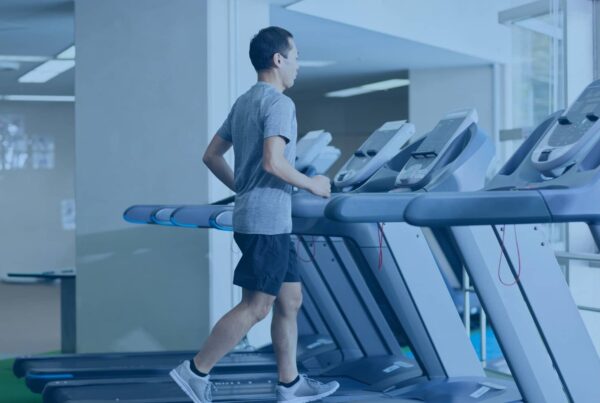
Treadmill
The most recognizable piece of cardio equipment in any gym. A treadmill lets you walk, jog, or run on a moving belt at a controlled speed and incline. Most models allow incline adjustment from flat to 12 to 15 percent. Suitable for all fitness levels.
A 30-minute moderate run burns roughly 300 calories. Not a low-impact option, as foot strike forces are real.
Elliptical Trainer
An elliptical, sometimes called an elliptical cross-trainer, mimics a running or walking stride in a smooth oval (elliptical) motion that eliminates the impact of foot strike. Handles on most models also allow upper-body engagement.
It is one of the best options for people with joint issues who want effective cardio without stress on the knees and hips. Sessions typically run 20 to 45 minutes.
Stationary Bike
A stationary bike provides a cycling workout in place. Upright bikes mimic road cycling posture. Recumbent bikes have a reclined seat with back support, making them ideal for users with lower back issues or limited mobility. Spin bikes (indoor cycling bikes) use a weighted flywheel and are designed for high-intensity interval workouts or group spin classes.
All three are low-impact and excellent for cardiovascular health and lower-body strengthening.
Rowing Machine (Ergometer)
The rowing machine, also called an erg or ergometer, simulates the motion of rowing a boat using a flywheel and a pull cable attached to a handle. It provides a genuine full-body workout that engages legs, core, back, and arms simultaneously.
Rowing is highly effective for building aerobic capacity and burning calories. Proper form matters: about 60 percent of the driving power comes from the legs, not the arms.
Stair Stepper / StairMill
The stair stepper or StairMill simulates climbing stairs. It builds significant lower-body strength while providing sustained cardiovascular challenge. The StairMill (rotating stair steps) is more demanding than a basic step machine.
Both are hard on beginners. Sessions as short as 20 minutes are effective, and the machine is well-suited to athletes who want leg endurance without running.
Ski Erg
The ski erg uses a pull-down motion on two handles connected to a flywheel, simulating the arm motion of Nordic skiing. It provides a unique upper-body-dominant cardiovascular workout that also challenges the core. Increasingly popular in CrossFit and functional fitness settings.
Assault Bike / Air Bike
The air bike has both handles and pedals that move simultaneously. As you pedal and push-pull the handles, a large fan creates resistance that increases with effort. The harder you go, the more resistance you face.
Widely used for high-intensity interval training. Even 10 to 15 minutes on an air bike is a complete workout for experienced users.
Strength and Resistance Machines
These ones can be intimidating until you’re familiar, but don’t let it slow you down! Let’s look at each one.
Leg Press Machine
A plate-loaded or selectorized machine where you sit or recline and push a weighted platform away using both legs.
Targets the quadriceps primarily, with secondary engagement of the hamstrings and glutes. Safer than barbell squats for people with balance issues or lower back concerns, though it does not train stabilizer muscles as effectively.
Leg Extension Machine
Seated machine targeting the quadriceps specifically. You sit with the lower leg against a padded roller and extend the leg until straight. Isolates the quads for hypertrophy work, but it should be used carefully by people with knee issues.
Leg Curl Machine
Available in seated and lying (prone) versions. Targets the hamstrings specifically by curling the lower leg up against a padded roller. Essential for balanced lower body training since many people train their quads far more than their hamstrings.
Smith Machine
A barbell mounted on fixed vertical rails with hooks that lock the bar at any height. The guided movement makes exercises like squats, bench presses, and lunges more stable and allows solo lifting without a spotter. Commonly used for heavy compound movements when a spotter is not available.
Note that the fixed movement path trains stabilizer muscles less than free weight equivalents.
Chest Press Machine
A seated pressing machine where handles are pushed forward and away from the body, targeting the chest (pectorals), anterior deltoids, and triceps. Easier to learn than a barbell bench press and is good for beginners or anyone who cannot bench press safely due to shoulder issues.
Pec Deck / Fly Machine
A machine designed for chest isolation. You sit upright and bring padded arms together in front of the body, squeezing the chest muscles through horizontal adduction. Targets the inner chest more directly than pressing movements.
Cable Machine / Cable Crossover
One of the most versatile pieces of equipment in any gym. A cable machine uses adjustable pulleys and weight stacks connected by cables to handles. The cable can be set at any height and attached to dozens of different handle accessories, enabling exercises that target virtually every muscle group.
Cable exercises maintain constant tension throughout the movement, which free weights do not always provide.
Lat Pulldown Machine
A cable machine with an overhead bar attachment. You sit and pull the bar down to your upper chest or behind your neck (front pulldowns are safer). Targets the latissimus dorsi (the large back muscles), biceps, and rear shoulders.
Essential for back width development and a foundational back exercise for people working toward pull-ups.
Seated Row Machine / Cable Row
A cable-based machine where you sit and pull handles toward your torso. Targets the mid-back (rhomboids, middle trapezius), lats, and rear deltoids. One of the best exercises for improving posture and addressing the muscle imbalances created by too much sitting.
Shoulder Press Machine
A seated overhead pressing machine targets the deltoids, triceps, and upper trapezius. A good alternative to the barbell or dumbbell overhead press for beginners learning pressing mechanics.
Tricep Pushdown Machine / Rope Pressdown
A cable machine set at a high position with a rope or bar attachment. You push the attachment down against resistance to work the triceps. One of the most commonly performed isolation exercises in commercial gyms.
Hack Squat Machine
A plate-loaded machine where you stand with your back against a padded board and squat down and up in a guided movement. Targets the quads, hamstrings, and glutes with less lower back involvement than a barbell squat. Popular for leg development work.
Hip Abductor / Hip Adductor Machine
Paired machines that target the muscles of the inner and outer thighs. The abductor machine works the outer hips by pushing the legs apart. The adductor machine works the inner thighs by squeezing the legs together. Often incorporated into lower-body accessory work.
Free Weights and Functional Equipment
These standalone pieces are often more familiar to beginners, but they can get complex, too.
Dumbbells
Short bars with fixed or adjustable weights on each end, held one in each hand.
Dumbbells are among the most versatile tools in a gym.
They require stabilizer muscle activation that machines do not, and they allow each limb to work independently, which addresses left-right strength imbalances. Available in increments from 2.5 lbs to 150 lbs or more in most commercial gyms.
Barbell
A long, straight bar (typically 7 feet, 45 lbs for a standard Olympic bar) designed for bilateral loading with weight plates. The foundation of strength sports and powerlifting. Core barbell exercises include the squat, deadlift, bench press, overhead press, and barbell row.
Kettlebell
A cast-iron ball with a top handle, used for ballistic and swinging movements as well as traditional strength exercises.
The kettlebell swing, Turkish get-up, and goblet squat are signature kettlebell exercises. Kettlebells develop power, conditioning, and core stability in ways that traditional machines cannot replicate.
Power Rack / Squat Rack
A four-post steel structure with adjustable safety bars is used for barbell exercises. The power rack allows safe solo training with heavy weights because the safety bars catch the bar if you fail a rep. Essential for heavy squatting and bench pressing without a spotter.
Foam Roller
A cylindrical piece of dense foam used for self-myofascial release, a form of massage that improves blood flow, reduces muscle soreness, and increases range of motion before and after workouts.
Related Questions to Explore
- What gym machines are best for beginners? Beginners benefit most from machines that guide the movement: the leg press, chest press, lat pulldown, seated row, and cable machines are the most beginner-friendly strength options. For cardio, the elliptical and stationary bike are lower-impact and easier to learn. Start with those before moving to free weights or plate-loaded machines.
- What is the difference between a Smith machine and a power rack? A Smith machine uses a fixed barbell that moves only vertically in a straight line. It is best for beginners learning proper form or for exercises requiring a guided path. A Power Rack holds a completely free barbell, allowing for three-dimensional movement. It is superior for building functional strength and engaging stabilizer muscles.
- What machines are best for burning calories? The rowing machine, assault bike, and stair stepper tend to burn the most calories per unit of time because they recruit the most muscle mass simultaneously. Treadmill running also burns significant calories. The elliptical and stationary bikes are moderately calorie-dense but more sustainable for longer sessions.
- Do I need a gym to get a good workout? Not always, but a gym provides access to equipment that enables progressive overload, which is the most reliable way to build strength over time. Resistance bands, dumbbells, and bodyweight exercises can maintain fitness, but the variety of loading options in a gym creates results that are difficult to replicate at home.
- How do I learn proper form on strength machines? Ask a staff trainer for a machine orientation when you first join. Most gyms include this as part of membership. Beyond that, reputable YouTube channels from certified coaches and instructors are useful for visual learning. Start with lighter weights while focusing on feeling the target muscle working.
Start Your Fitness Journey at Mile High Fitness
Knowing the equipment is step one. Knowing how to use it effectively in a training program is where real progress happens.
At Mile High Fitness and Wellness, our personal training programs are built around your goals, your current fitness level, and the equipment you feel comfortable using. Whether you want guidance on the gym floor, a structured group class environment, or support for a specific goal like building strength, improving conditioning, or returning after an injury, we have programs that fit.
Conclusion
The CDC Physical Activity Guidelines recommend that adults get at least 150 minutes of moderate-intensity aerobic activity or 75 minutes of vigorous activity weekly, plus muscle-strengthening activities on two or more days per week.
For clients looking to support performance and recovery, our nutrition coaching programs complement any training plan. Contact us to schedule an initial assessment!