
An office step challenge works because it turns a small daily habit, walking more, into a shared team goal. Most office workers sit for 65 to 75% of the workday, and a step challenge is one of the easiest ways to interrupt that without asking anyone to change their whole routine.
At Mile High Fitness & Wellness, we help companies run these challenges as part of a broader corporate wellness program, and a few structural choices make the difference between a challenge that fizzles by week two and one people ask to repeat every quarter. Here’s how to set one up, four formats worth trying, and how to keep participation strong all month.
Why an Office Step Challenge Works
Step challenges are simple to run and low-cost, which is part of the appeal. They also do more than get people moving. Short breaks away from a screen measurably reduce stress and improve focus, and a shared team goal builds connection between people who might not otherwise interact much during the workday.
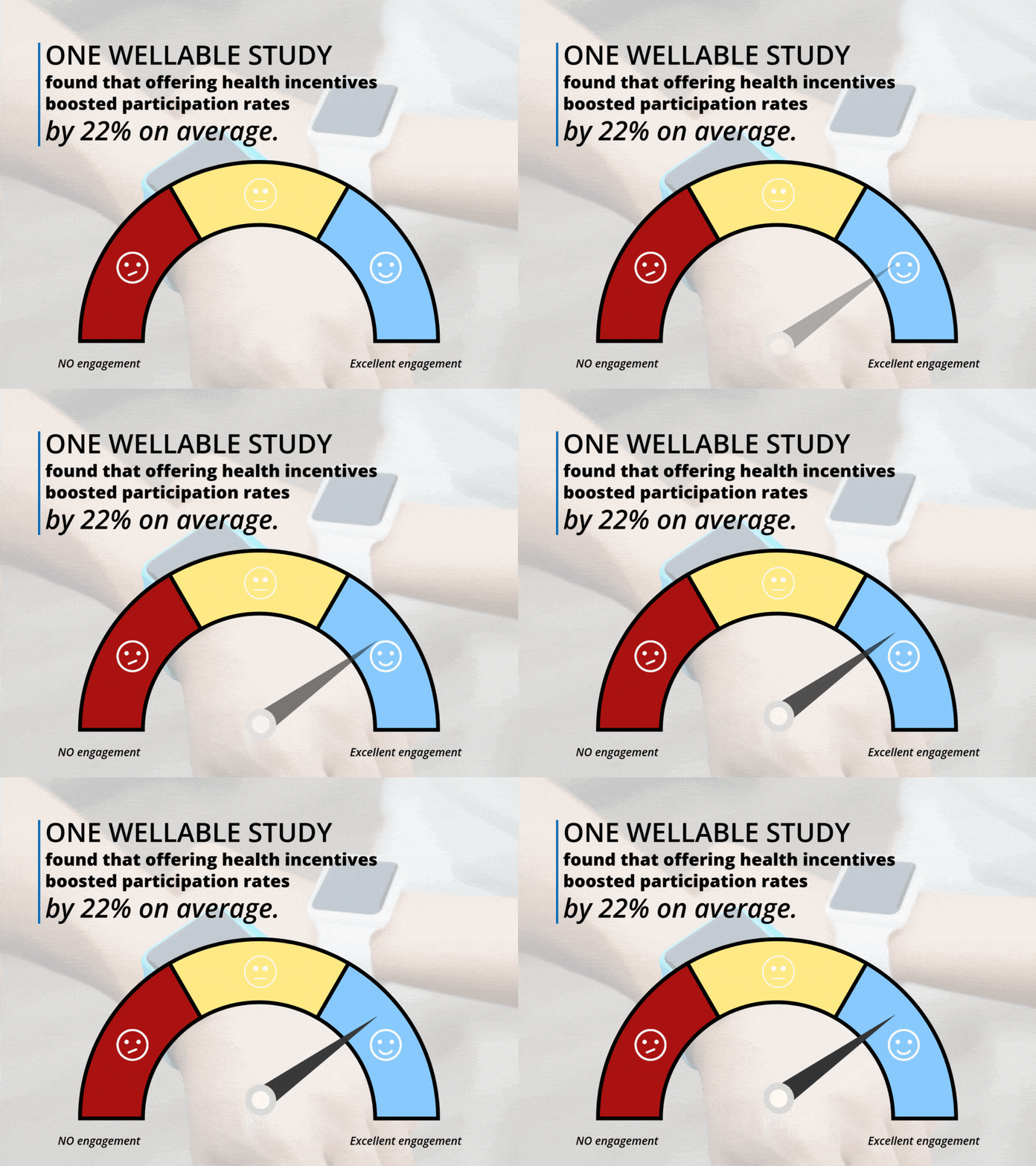
One survey found that offering incentives boosts participation in workplace wellness programs by as much as 85%, which is exactly why the format below matters as much as the idea itself.
How to Set Up an Office Step Challenge
Before picking a format, nail down the basics:
- Set a clear timeframe. Two to four weeks is the sweet spot. Long enough to build a habit, short enough that people don’t lose steam.
- Make logging effortless. Most smartphones already track steps through built-in apps like Apple Health or Google Fit. Employees with wearables like Fitbit or Garmin can sync automatically. Don’t make people log steps by hand if you can avoid it.
- Decide on individual or team scoring. Team scoring tends to drive higher participation because no one wants to be the reason their team falls behind.
- Plan incentives up front. They don’t need to be expensive. Gift cards, wellness-related prizes, or recognition in a company newsletter all work.
- Announce it well. Flyers, a company-wide email, and a post in your internal messaging system all help build early buy-in.
4 Step Challenge Formats to Try
Here are 4 step challenge ideas to get the whole office involved:
1. Department vs. department. Split the office into teams by department or project group and set a collective step goal for each team. This works well for offices where team identity is already strong.
2. Milestone challenge. Instead of racing to a finish line, set milestones (50,000 steps, 100,000 steps) and celebrate each one publicly as teams hit it. This keeps momentum going even for people who start slow.
3. Progressive daily goal. Start at a modest daily step goal in week one and increase it slightly each week. This is the most inclusive format for teams with a wide range of fitness levels.
4. Scavenger-style challenge. Teams unlock clues or rewards as they hit step milestones, building toward a final reveal. This adds a game element that keeps engagement high through the back half of the challenge.
How to Keep Up Participation All Month
A step challenge is a great start, but long-term engagement comes from embedding movement into your daily work culture.
- Make it winnable for everyone, not just the fittest few. If the leaderboard only ever shows the same top three names, everyone else tunes out. Milestone and progressive formats keep the field open longer.
- Set clear rules from day one. Decide upfront how manual step entries are handled, and build in an equivalent way for wheelchair users or people with mobility limitations to participate (active minutes instead of steps works well).
- Announce incentives early. People need a reason to opt in on day one, not day ten.
- Check in midway, every time. A quick weekly nudge in your team chat keeps the challenge visible and re-engages anyone who’s fallen behind.
Per the CDC’s physical activity guidelines for adults, adults need at least 150 minutes of moderate-intensity activity a week, and a step challenge is one of the easiest ways to build toward that goal without asking anyone to carve out separate workout time.
How to Tackle Common Roadblocks
Let’s face it, even the best-laid plans hit bumps. Here are a few common step challenge hurdles and how to overcome them:
- Time crunches: Not everyone has time for long walks, but encourage people to break it up. Three 10-minute walks throughout the day work just as well as one 30-minute walk.
- Lack of motivation: Celebrate small wins along the way. Weekly shoutouts or leaderboards can keep spirits high.
- Tech issues: Make sure everyone has an easy way to track steps. Free apps like Pacer or Google Fit work across most devices – no extra equipment needed.
Keeping the Momentum After the Challenge Ends
The goal isn’t just to get people moving for a month and then forget about it. Think of the step challenge as the kickoff to a healthier, more energized workplace.
Here are a few ways to keep the momentum going:
- Host monthly wellness activities like group yoga or mindfulness sessions
- Create mini-challenges for things like hydration, healthy eating, or mental health breaks
- Encourage walking meetings to keep movement part of the daily routine
When wellness becomes part of your company culture, it sticks.
Related Questions to Explore
- How long should an office step challenge last? Two to four weeks works best. Shorter challenges struggle to build a real habit, while longer ones tend to lose steam without a mid-challenge refresh.
- What’s a good daily step goal for a workplace challenge? A progressive goal that starts lower (around 5,000–6,000 steps) and increases weekly is more inclusive than jumping straight to 10,000, especially for teams with mixed fitness levels.
- What apps can employees use to track steps? Built-in phone apps like Apple Health and Google Fit work for most people with no extra setup. Employees with fitness wearables like Fitbit or Garmin can sync automatically into most challenge platforms.
- How do you keep a step challenge fair for people with different fitness levels? Use team-based or milestone scoring instead of a single overall leaderboard, and offer an active-minutes option for employees who can’t count steps in the traditional way.
When to Call a Professional
If you’ve run a step challenge before and participation dropped off fast, or if you want a challenge that’s tracked automatically instead of managed in a spreadsheet, it’s worth bringing in a wellness partner.
Mile High Fitness & Wellness runs step challenges through a dedicated digital wellness portal that handles tracking, leaderboards, and incentives, so your team gets the benefits without your HR team managing it manually.
Conclusion
A well-run office step challenge is simple, low-cost, and one of the fastest ways to build more movement into your team’s day. Keep these in mind:
- Pick a format that fits your team’s dynamic: department vs. department for competitive teams, and progressive or milestone for mixed fitness levels.
- Make logging effortless and announce incentives early.
- Check in weekly so momentum doesn’t fade by week two.
Ready to run a step challenge your whole office actually enjoys? Mile High Fitness & Wellness can help you build it into a full corporate wellness program.